
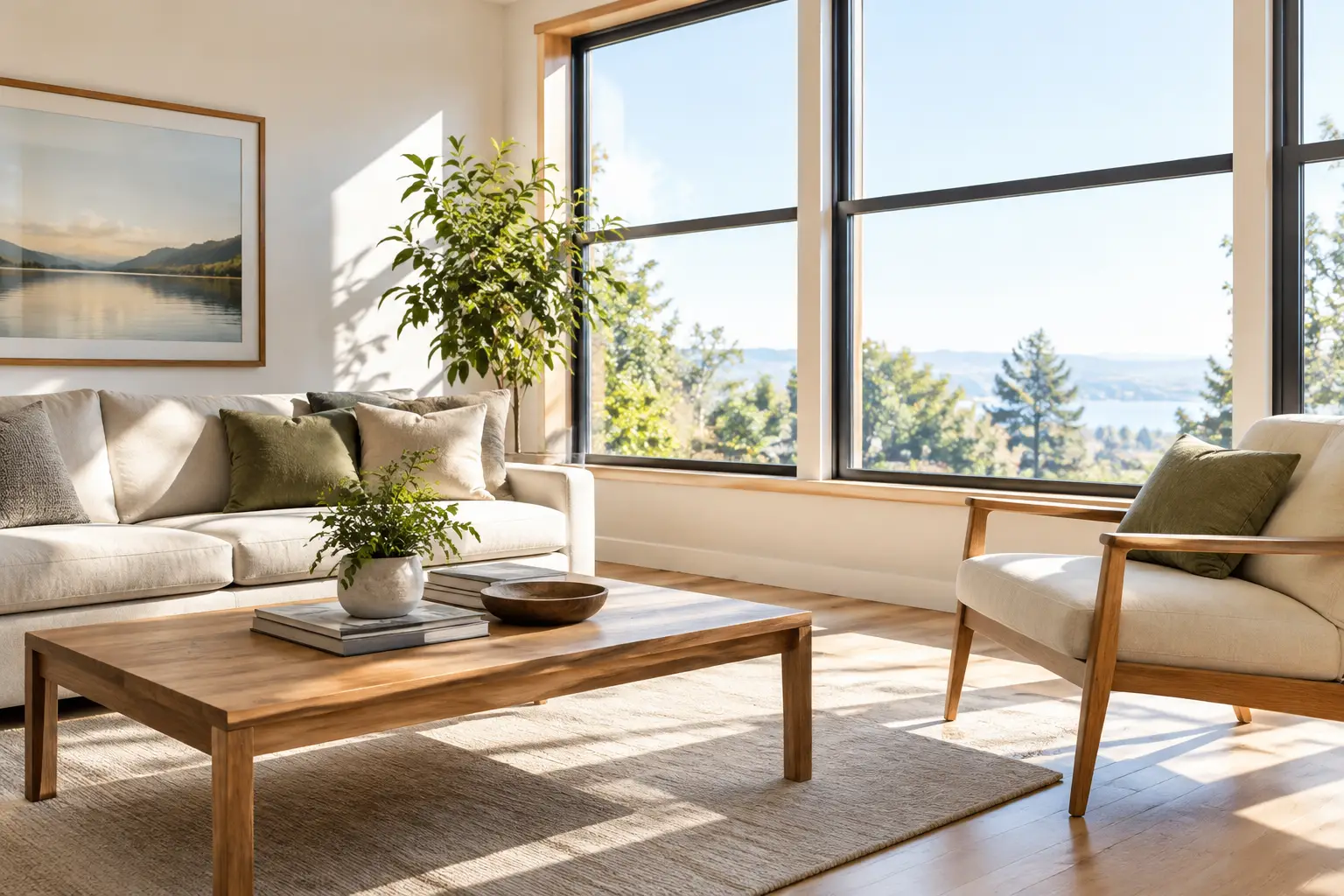
A brighter room is not always a better room. In Phoenix-area homes, a poorly placed window can create harsh afternoon glare, faded flooring, and a cooling system that works harder than it should. When you plan window placement for daylight, the goal is to bring useful natural light into the home while respecting Arizona heat, privacy, views, framing conditions, and the way your family actually uses each space.
A thoughtful window plan does more than update a facade. It can make a dark kitchen more inviting, give a hallway a sense of openness, improve connection to a patio, and make an established home feel intentionally modernized. The difference is in the planning and in the installation details behind the finished appearance.
Plan Window Placement for Daylight Before Selecting Products
It is tempting to begin with window style or frame color. Those choices matter, but daylight planning starts with the wall, the room, and the sun path. A picture window that looks excellent on an elevation drawing may be the wrong choice if it faces a low western sun and turns a family room into a bright, hot space every afternoon.
In Arizona, orientation deserves careful attention. North-facing windows often bring in softer, more consistent light with relatively little direct solar exposure. South-facing openings can provide generous daylight, but their performance depends on overhangs, exterior shading, rooflines, and the specific glazing selected. East-facing windows can make a breakfast area feel lively in the morning, while west-facing windows demand the most discipline because late-day sun is both intense and difficult to shade.
This does not mean a west-facing window is automatically a poor decision. A protected view, a carefully sized opening, and high-performance glazing may make it worthwhile. The right answer depends on whether the homeowner values the view, how the room is used, the existing shade on the property, and the home’s cooling needs.
Begin With How Each Room Is Used
Daylight should serve the room rather than simply increase the amount of exposed glass. A home office benefits from balanced light that reduces screen glare. A kitchen may need brighter task-oriented light near counters, with attention to where direct sun falls during meal preparation. In a primary bedroom, daylight can be welcome, but privacy and early-morning heat may matter just as much.
Living rooms and great rooms often benefit from a layered approach. A larger focal-point window can frame a yard or mountain view, while narrower side windows, transoms, or higher openings spread light across the room. This can reduce the tunnel effect created by one oversized opening while preserving more wall space for furniture and artwork.
Bathrooms, closets, and interior corridors are frequent opportunities for improvement. Smaller, elevated windows can bring daylight into these areas without sacrificing privacy. Where a wall faces a neighboring property, placement and sill height can be more valuable than simply choosing obscured glazing after the fact.
Follow the Path of Light Through the Home
The most effective plans consider how daylight travels after it crosses the exterior wall. High windows distribute light deeper into a room than low windows of similar size. Clerestory-style openings can illuminate a vaulted ceiling and make a compact room feel taller, while also maintaining privacy from nearby homes.
Door systems can play a major role as well. A carefully placed patio door, stacking door, or bi-fold opening can brighten a great room and strengthen indoor-outdoor living. Yet larger door openings also affect structural support, insulation, weatherproofing, and furniture layout. A wide opening should feel like a natural extension of the room, not a feature that forces the entire floor plan to work around it.
Light-colored interior finishes, reflective surfaces, and open sight lines help daylight reach farther. Still, no paint color can correct an opening placed on the wrong wall or at the wrong height. Placement decisions should come first, followed by finish selections that support them.
Balance Daylight With Arizona Heat and Glare
Natural light and solar heat are related, but they are not the same thing. The goal is to welcome visible light while controlling unwanted heat gain. That is where window size, orientation, glazing packages, exterior shade, and professional installation must work together.
A larger opening may provide a dramatic effect, but more square footage is not automatically better. In a room with strong western exposure, several thoughtfully proportioned windows may be more comfortable than one wall of glass. On a shaded north side, a larger fixed window may be an excellent way to capture soft daylight and a valued view.
Glass selection should be tailored to the elevation and the homeowner’s priorities. Low-E coatings, insulated units, and appropriate solar heat gain performance can help manage intense sun without making a room feel dim or disconnected from the outdoors. Frame material matters, too. Vinyl, fiberglass, wood-frame, and thermally improved aluminum each offer different design and performance advantages depending on the home, opening size, architectural style, and budget.
Exterior conditions deserve equal consideration. Deep patio covers, mature trees, roof overhangs, and landscape features may already reduce solar exposure. In other situations, the home may need a more strategic product and placement plan because there is no meaningful shade at the critical time of day. A precise in-home evaluation provides a far more reliable answer than choosing a window from a showroom sample alone.
Preserve Privacy Without Giving Up the Light
Many homeowners assume that daylight requires a broad, low window facing the yard or street. Often, a higher opening is the more refined solution. It can bring in sky light, preserve usable wall space, and limit direct sight lines from neighbors or passersby.
This is especially useful in Scottsdale, Paradise Valley, and established Phoenix neighborhoods where homes may sit close together or where a remodel opens a formerly enclosed room toward a side yard. Window placement can protect privacy by changing the angle of view, moving an opening above eye level, or dividing one large opening into several purpose-driven units.
The trade-off is view. A high window may brighten a room beautifully but provide less visual connection to the landscape. A skilled design plan identifies where views deserve priority and where daylight alone is the objective.
Evaluate Framing, Stucco, and Weatherproofing Early
Adding or enlarging a window is a construction project, not simply a product purchase. Older Arizona homes can have hidden framing changes, block construction, limited wall cavities, and exterior stucco conditions that affect what is possible and how the work should be completed.
Before an opening is modified, the wall must be evaluated for structural requirements, electrical obstacles, plumbing, and the relationship between the new unit and existing finishes. If a wider or taller opening needs additional support, the framing work must be planned before the window arrives. This is particularly important when a homeowner wants to replace a modest window with a large picture window or a door system.
The exterior restoration is just as important as the opening itself. Proper installation may involve integration with weather-resistant materials, vapor barriers, tar paper, foam, lath, and stucco repair so the finished wall is protected as well as polished. On the interior, drywall, texture, trim, and paint should be restored with care. A window should look like it has always belonged in the home, not like a cutout added around a new frame.
Arizona’s summer storms make these details practical, not cosmetic. Water management around the opening, correct flashing practices, insulation, and sealant work all contribute to long-term performance. A beautiful new window cannot compensate for an installation that leaves the surrounding wall vulnerable.
Avoid the Most Common Daylight Planning Mistakes
One frequent mistake is treating every elevation the same. Matching windows across the exterior may create a tidy look, but identical sizes and glazing choices do not perform identically on north, south, east, and west walls. A coordinated design can still account for different solar conditions.
Another is focusing only on direct sunlight. Bright sun can be pleasant in short intervals, but usable daylight is often softer and more evenly distributed. The best rooms are not necessarily the ones with the brightest spot on the floor. They are the ones that remain comfortable enough to enjoy throughout the day.
Finally, homeowners sometimes wait until installation day to address trim, stucco, or structural changes. Planning the complete scope early protects the schedule, the finished appearance, and the accuracy of the estimate. It also prevents a budget-friendly window selection from becoming costly because surrounding construction was overlooked.
Make Daylight Part of a Complete Modernization Plan
Window placement is most successful when it is considered alongside the home’s larger goals. A homeowner preparing to sell may prioritize curb appeal, broad visual impact, and efficient operation. A family planning to stay for decades may focus on comfort, privacy, quiet, and a better connection between the kitchen, living area, and patio.
Greco Roman Windows and Doors approaches these decisions as part of the full construction scope, from evaluating existing openings through framing modifications, weatherproofing, finish restoration, and final cleanup. That level of coordination matters when daylight improvements involve more than a like-for-like replacement.
The best time to discuss natural light is before a window is ordered and before a wall is opened. Schedule a free in-home consultation to see how a carefully planned opening can bring more useful daylight into your home without asking you to compromise on comfort, privacy, or craftsmanship.