
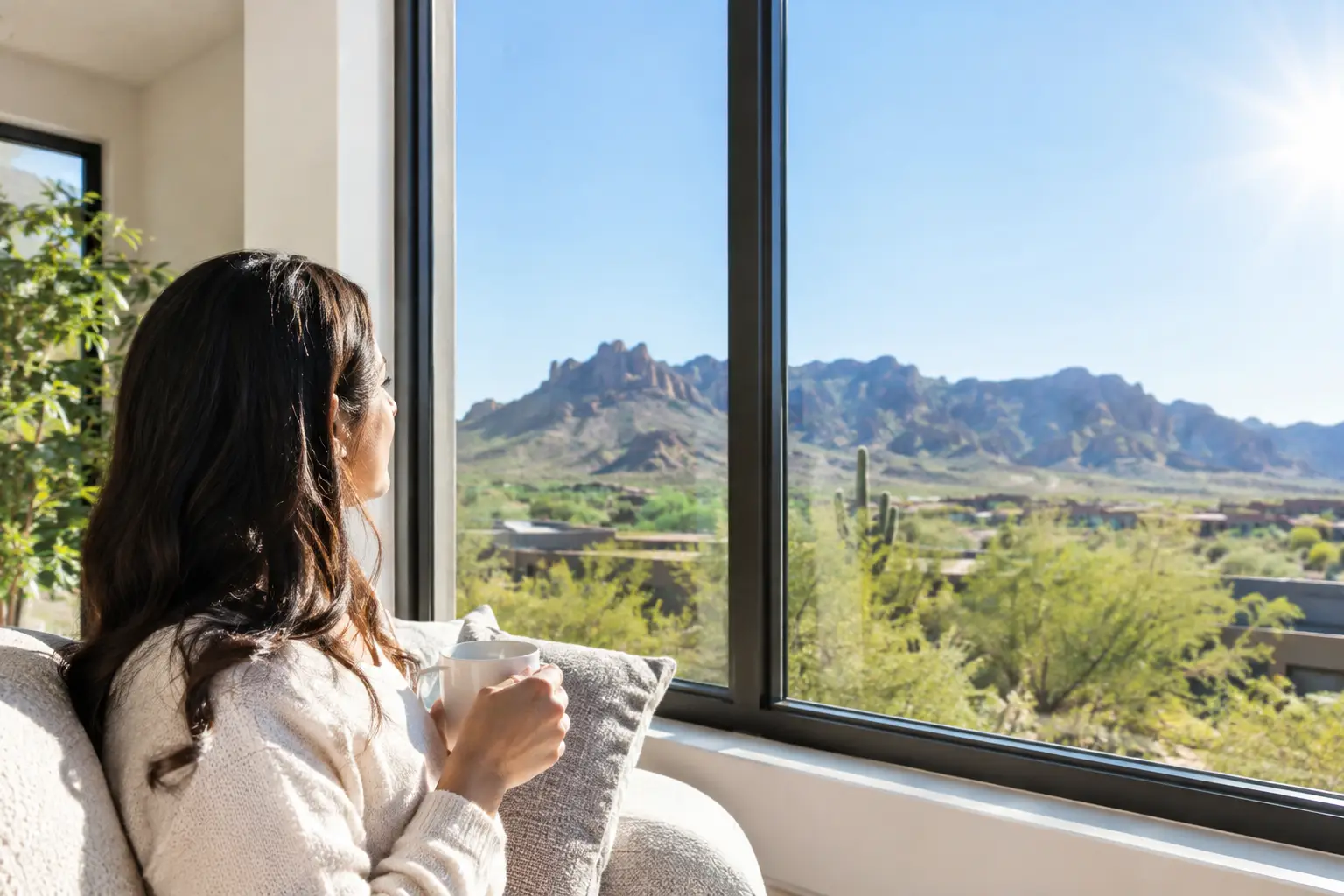
A sun-facing living room can quietly take a beating in Arizona. Hardwood floors lighten near the glass, upholstery loses depth of color, artwork fades, and the room feels hotter long before afternoon. So, can new windows block UV? Yes, many modern replacement windows can filter a substantial share of ultraviolet radiation, but the level of protection depends on the glass package, coatings, tint, and installation details you choose.
For homeowners in Phoenix, Scottsdale, Paradise Valley, and Chandler, UV protection is more than a nice feature. It is part of protecting the finishes, furnishings, and comfort you have invested in while managing intense desert sun.
Can New Windows Block UV Completely?
No window should be presented as a complete shield from every form of sun exposure. Standard clear glass already blocks most UVB radiation, the type most associated with sunburn. However, a meaningful amount of UVA can pass through ordinary glass. UVA is a major contributor to fading in fabrics, flooring, wood finishes, and interior décor.
Modern insulated replacement windows can significantly improve on older single-pane or basic clear-glass windows. Low-E coatings, laminated glass options, and certain tinted glass packages can reduce UV transmission while also helping limit solar heat gain. The exact performance varies by manufacturer and configuration, so the right question is not simply whether a window blocks UV. It is how much UV, visible light, and heat it manages for a specific wall of your home.
That distinction matters. A west-facing wall with large windows has different needs than a shaded bathroom window or a north-facing bedroom. Selecting one glass package for every opening may be simple, but it is not always the most thoughtful solution.
How Replacement Windows Reduce UV Exposure
Low-E coatings do much of the work
Low-emissivity, or Low-E, coatings are extremely thin layers applied to window glass. They are designed to manage heat transfer and solar energy while maintaining useful natural light. In Arizona, a properly selected Low-E coating can help reduce the solar heat entering a room and filter a significant portion of ultraviolet rays.
Not all Low-E coatings perform the same way. Some are designed primarily for colder climates, where allowing more solar heat into the home can be beneficial. Arizona homeowners usually need a glass package that places greater emphasis on controlling solar heat gain. This is why the product recommendation should account for the home’s orientation, shading, window size, and how each room is used.
A well-designed Low-E window can make a bright room more comfortable without turning it dark. That balance is valuable when you want daylight and views but do not want a room to feel like an extension of the patio in July.
Laminated glass can provide added protection
Laminated glass uses an interlayer between two panes of glass. Along with its potential security and sound-control benefits, that interlayer can offer very strong UV filtering. It can be an excellent consideration for rooms with valuable furnishings, large collections of art, wood flooring, or direct afternoon exposure.
Laminated glass is not necessary for every replacement window project. It generally adds cost, and there may be simpler ways to improve performance in lower-exposure areas. Still, it is worth discussing for prominent openings, expansive glass walls, or homes where preserving interior finishes is a priority.
Tinted glass changes light as well as heat
Tinted glass can reduce glare and solar intensity, which may be helpful on highly exposed elevations. The trade-off is that tint can alter the appearance of the glass and reduce visible light. A darker option may be practical in one location but feel too dim in another.
This is where viewing samples and discussing the home as a whole becomes useful. Window glass should support the way you live in the space, not simply post the lowest possible number on a product label.
UV Protection and Heat Control Are Related, Not Identical
Homeowners often use the words UV protection and heat reduction interchangeably. They overlap, but they measure different things.
UV performance addresses the ultraviolet radiation that contributes to fading and material deterioration. Solar heat gain addresses how much of the sun’s heat enters through the window. Visible light transmittance describes how much natural light passes through the glass. A window can perform well in one category without being the ideal choice in all three.
For example, a very dark glass package may reduce glare and heat but make an interior feel noticeably dimmer. A bright, clear-looking glass package may preserve daylight beautifully while offering less solar control than a sun-facing room requires. The best choice typically balances UV filtering, low solar heat gain, clear views, and the architectural style of the house.
Energy performance labels provide helpful information, but they do not replace a project-specific recommendation. Window size, overhangs, landscaping, interior blinds, and wall direction all affect real-world results.
Why Older Windows Leave Arizona Interiors Vulnerable
Many established Arizona homes still have aging aluminum frames, single-pane glass, worn seals, or older dual-pane units that were never designed for current energy expectations. These windows can allow intense solar gain, create uncomfortable hot spots, and offer limited UV filtering compared with modern alternatives.
The issue is not always the glass alone. Gaps around the frame, deteriorated caulking, inadequate flashing, and older construction details can allow heat, dust, and drafts around the unit. Replacing the window without addressing the opening can leave part of the problem behind.
A complete replacement process should evaluate the existing frame condition, exterior stucco, interior drywall returns, weatherproofing, and the way the new unit integrates with the wall. Depending on the project, that can include vapor barriers, tar paper, foam and lath, new trim work, and careful stucco restoration. These details do not change UV transmission directly, but they do affect the comfort, durability, and finished appearance of the investment.
Choosing the Right Glass Package for Your Home
The right window is rarely just a choice between vinyl, fiberglass, wood-frame, or thermally improved aluminum. Frame material matters for durability and energy performance, but the glass package has a major influence on sun control.
During a professional consultation, consider where fading or overheating is happening now. A room with direct western exposure may benefit from a more solar-control-focused Low-E package or laminated glass. A shaded dining room may allow for a brighter configuration that emphasizes daylight. If you are opening a wall for a larger picture window, multi-panel door system, or additional windows, the performance conversation becomes even more important because the amount of glass is increasing.
It also helps to think beyond the first year. Replacement windows can protect furniture and finishes, but no glass package can stop all fading forever. Rotating rugs, using appropriate window coverings during peak exposure, and avoiding prolonged direct sun on delicate materials can extend the life of interior finishes.
Installation Quality Protects Window Performance
A premium window cannot reach its intended performance if it is installed carelessly. An out-of-square opening, poorly sealed perimeter, missing weatherproofing, or damaged stucco transitions can compromise comfort and invite future problems.
For Arizona replacement projects, the installer should understand the differences between block-frame and nail-fin applications, existing wall conditions, exterior finish requirements, and the structural work involved when an opening is modified. This is especially important when replacing large windows or converting an existing opening for a patio door system.
Greco Roman Windows and Doors approaches these projects with old-world-inspired techniques and a full-scope view of the home. That means looking beyond the new unit to the frame work, exterior weatherproofing, finish restoration, and clean final result. Whether a homeowner chooses a practical Silver package or a more comprehensive Platinum-level installation, the goal is the same: a window system that looks right, performs correctly, and respects the home around it.
A Better Question Than “Do New Windows Block UV?”
Rather than asking for a yes-or-no answer, ask which glass package best protects your particular rooms from heat, glare, and fading. Bring attention to the areas where flooring has changed color, furniture gets hot to the touch, or blinds remain closed through the brightest part of the day.
A free in-home consultation gives you the chance to evaluate those conditions at the window, discuss the appearance you want, and compare options that fit your budget and project goals. The right replacement windows can preserve more of the comfort and character inside your home while allowing Arizona sunlight to remain something you enjoy, not something you manage around.