
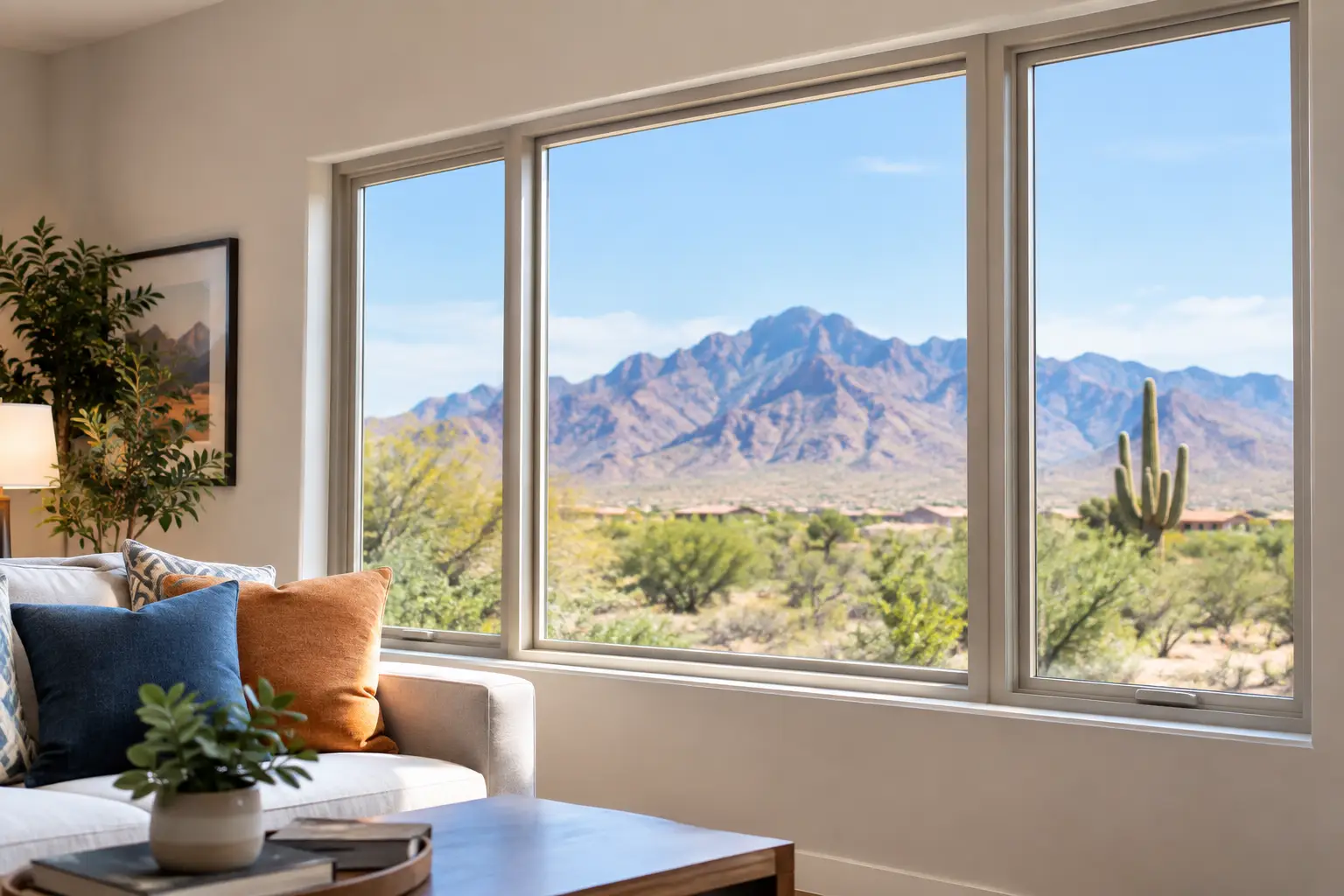
A replacement window can look excellent in a showroom and still disappoint if its frame, glass package, or installation does not suit an Arizona home. This Milgard window review looks beyond surface appearance to the questions that matter in Phoenix-area properties: how a window handles long summer heat, whether it complements an older stucco opening, and what it takes to achieve a clean, weather-protected finished result.
Milgard is a recognized name in replacement windows, offering vinyl, fiberglass, and aluminum options in styles that range from clean contemporary frames to more traditional profiles. For many homeowners, it is a sensible brand to consider. The right series, however, depends on the home, the opening conditions, energy goals, and the level of finish work required around the installation.
Milgard Window Review: Where the Brand Fits Best
Milgard windows appeal to homeowners who want established product options without treating every project as a one-size-fits-all replacement. The brand offers choices in frame material, operating style, color, grid patterns, and glass configurations. That flexibility is valuable when a home has aging aluminum windows, dated vinyl units, or a mix of openings that need a more coordinated appearance.
The strongest case for Milgard is often a homeowner who wants a dependable, attractive replacement window tailored to a specific budget and design direction. Vinyl can be a practical choice for straightforward replacements. Fiberglass may be a better fit when a homeowner wants a more rigid frame, a refined profile, or a premium material for a long-term renovation. Aluminum remains relevant for certain modern designs and larger openings, particularly when narrow sightlines are a priority.
No manufacturer is the best answer for every house. A window selection should begin with the home’s exposure, existing wall construction, desired operating style, and the condition of the original frames. In Arizona, those details can make more difference than a product brochure.
Frame Materials and What They Mean in Arizona
Vinyl: Practical value for many replacement projects
Milgard vinyl windows are commonly considered for homeowners seeking energy efficiency, low maintenance, and an accessible price point. Vinyl does not require painting, resists moisture, and can provide a clean update for homes with worn or visually dated windows.
For many standard bedroom, living room, and dining room openings, vinyl delivers good value. The trade-off is that vinyl frames are generally broader than aluminum and may not be the preferred visual choice for every architectural style. Color selections and exterior finishes also deserve careful consideration in intense sun exposure. A quality window should be selected with the home’s orientation and long-term appearance in mind, not just its initial price.
Fiberglass: A premium option with lasting appeal
Fiberglass windows, including Milgard’s Ultra Series where available, are often chosen for their strength, stability, and more elevated appearance. Fiberglass can be especially appealing in remodels where homeowners want larger glass areas, stronger frame performance, or a finish that better complements wood, stone, or high-end exterior details.
The higher material cost is the central trade-off. Fiberglass is not automatically necessary for every opening, but it can be a worthwhile investment for a design-focused renovation, a home with demanding exposure, or a project where durability and aesthetics carry equal weight.
Aluminum: Slim profiles for the right application
Thermally improved aluminum windows can suit contemporary homes and openings where sightlines matter. Aluminum frames are strong and can support clean, narrow profiles that vinyl cannot always match. They are also familiar in many Arizona homes built with aluminum-frame windows decades ago.
Performance varies by product construction and glass selection, so the frame alone should never be the deciding factor. For an older home with existing aluminum windows, an experienced consultation can determine whether a replacement should preserve the original visual character or move toward a different material entirely.
Glass Performance Matters More Than a Sales Pitch
Arizona homeowners understandably focus on cooling costs and room comfort. Yet phrases such as “energy-efficient glass” do not tell the whole story. The most appropriate glass package depends on the direction each window faces, the amount of shade, interior furnishings, and whether the homeowner is prioritizing heat reduction, visible light, or protection from sun fading.
Low-E coatings and insulated glass units can help manage solar heat gain while maintaining usable natural light. Windows facing west and south often deserve especially close attention because they receive more direct afternoon exposure. A package that feels right for a shaded north-facing room may not be the right selection for a west-facing great room.
This is where a careful estimator earns their value. Rather than applying the same glass specification throughout the house, the project should account for real conditions at each elevation. A thoughtful plan can improve comfort without making interior spaces feel unnecessarily dark.
Style Choices: Beauty Must Still Function Well
Milgard offers common replacement styles such as single-hung, horizontal slider, casement, picture, and specialty-shape windows. The best style is not always a matter of taste alone. It affects ventilation, cleaning access, egress requirements, furniture placement, and the way a room connects to an outdoor living area.
Horizontal sliders remain popular in Arizona because they are familiar, easy to operate, and work well in many wide openings. Casements can provide a more contemporary look and excellent ventilation when properly positioned. Picture windows are ideal for bringing in daylight and views, but they do not open, so they should be balanced with operable windows elsewhere in the room.
For homeowners modernizing an older property, enlarging an opening or adding a new window can transform a dark interior. That work requires more than selecting a beautiful unit. It may involve framing changes, exterior stucco work, interior drywall restoration, and careful waterproofing so the addition looks original to the home rather than patched in afterward.
The Installation Is a Major Part of the Review
A Milgard window can only perform as well as the opening around it allows. This is particularly true in established Arizona homes, where original frames, stucco conditions, and prior renovations can create hidden complications.
A basic replacement may allow a new window to be installed into an existing block frame. That approach can be efficient and cost-conscious when the frame is sound and the project goal is a straightforward update. In other situations, full-frame replacement is the wiser choice because it allows the installer to inspect the opening, correct damaged materials, improve weather protection, and create a more complete finish.
The work should account for proper flashing, vapor barriers where appropriate, foam insulation, lath, tar paper, and stucco restoration when exterior conditions call for it. On the interior, trim, drywall, texture, and paint touch-up deserve the same attention as the window itself. These details are not cosmetic extras. They help protect the home and determine whether the completed project feels polished.
At Greco Roman Windows and Doors, we approach window replacement as a construction project as well as a product selection. Our installation packages are tailored to the home’s needs, whether that means a practical replacement plan or a comprehensive renovation involving modified openings and restored finishes.
Questions to Ask Before Choosing Milgard Windows
Before committing to a series or material, ask how the selected window will address the specific opening and exposure at your home. Request clear information about the glass package, frame material, color availability, operating style, and expected finished appearance inside and out. It is also wise to discuss whether the project requires block-frame installation, full-frame work, or exterior repair beyond the window itself.
Ask who is responsible for coordinating the full scope. A replacement project can involve more than removal and installation. If stucco, drywall, framing, trim, or paint restoration is needed, homeowners should understand the process before work begins. Clear communication protects the budget and avoids surprises after the old units come out.
Finally, review warranty terms directly for the specific product and configuration being considered. Coverage can vary by series, components, glass options, and transfer conditions. A professional installer can help explain the practical considerations, but homeowners should receive the current documentation for their selected windows.
Is Milgard a Good Choice for Your Home?
Milgard can be a strong choice for Arizona homeowners who want flexible material options, familiar styles, and a finished look that suits both traditional and modern properties. Vinyl models can deliver practical value, fiberglass can elevate a premium renovation, and aluminum may be the right visual fit for select homes. The best answer depends on the window series and, just as importantly, the expertise applied to the installation.
A productive next step is an in-home evaluation of your existing openings, sun exposure, and renovation goals. When the product, glass package, and installation method are planned together, replacement windows can bring more comfortable rooms, improved curb appeal, and a finished result that respects the character of the home.