
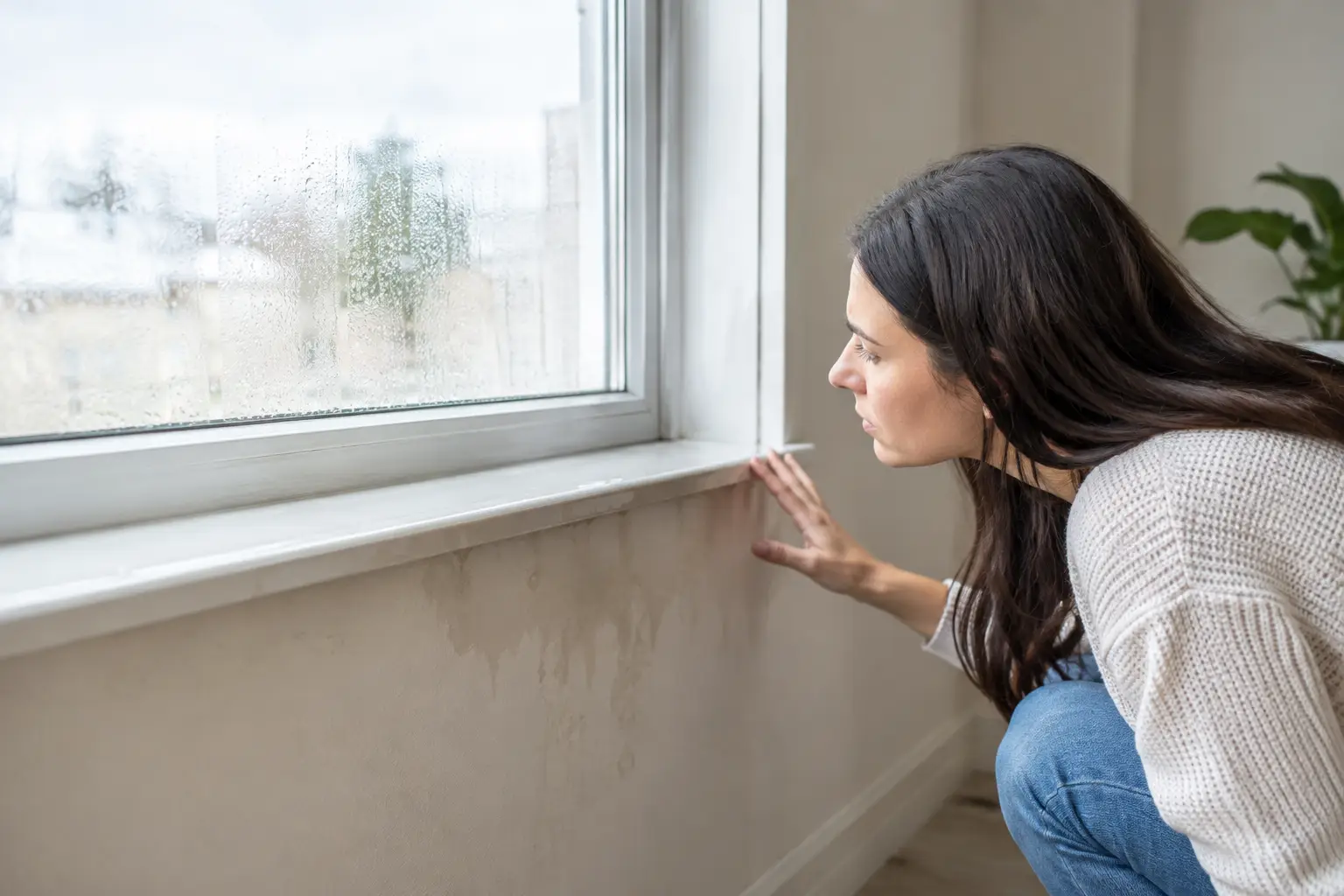
A water stain below a window is not merely a cosmetic concern. It is often the first visible sign that moisture has found a path past the exterior defenses of your home. Homeowners asking why windows leak are usually dealing with more than a single worn part. The answer may involve the window itself, the condition of the opening, the exterior wall system, or an installation detail that only reveals itself during wind-driven rain.
In Phoenix-area homes, intense sun, major temperature swings, monsoon storms, stucco exteriors, and aging construction materials can all contribute to water intrusion. Finding the actual source matters. Replacing a window without correcting the surrounding weatherproofing can leave the same problem hidden behind a newer, better-looking unit.
Why Windows Leak: The Window Is Not Always the Source
Water naturally follows the easiest available route. That means the place where you see moisture indoors is not always where water entered outdoors. It may travel behind stucco, along framing, under trim, or through gaps in an old flashing system before appearing at the bottom corner of a window opening.
A professional assessment should distinguish between a window-system failure and a wall-system failure. A failed seal around the frame, for example, calls for a different solution than improperly integrated weather-resistant barriers behind the exterior finish. This is why a careful inspection of the opening is as valuable as selecting a quality replacement window.
Worn or Failed Perimeter Seals
Sealants around exterior window frames do not last forever. Arizona’s ultraviolet exposure can dry, crack, and separate caulking from stucco, masonry, or the frame itself. Small gaps may look harmless, yet wind can drive rain into them with surprising force.
Older homes may also have sealant applied over previous cracks rather than removed and properly rebuilt. That patchwork can temporarily redirect water but rarely creates a dependable long-term seal. The proper approach depends on the condition of the wall, frame, and existing installation details.
Failed Flashing and Weatherproofing
Flashing is designed to direct water back to the exterior before it reaches vulnerable framing. When flashing is missing, damaged, incorrectly layered, or interrupted by a prior renovation, water can slip behind the exterior finish.
This issue is particularly significant around stucco homes. Proper installation may require opening the surrounding stucco, inspecting the rough opening, installing or repairing vapor barriers and tar paper, integrating flashing correctly, and restoring the lath and finish. A replacement window is only one component of that assembly. The weatherproofing behind it is what protects the home when storms arrive.
Drainage Holes Blocked by Dirt or Paint
Most exterior window systems are designed to manage a small amount of incidental water. Tracks and weep paths allow that water to drain outward. When these routes become blocked by desert dust, paint, debris, or old sealant, water can accumulate in the frame and eventually move inside.
This is often more noticeable after a heavy monsoon rain than after a light shower. Water that cannot drain as designed may overflow toward the interior, especially if the window is older or has a warped frame. Clearing drainage paths can help in limited cases, but it will not solve a failed installation or deteriorated opening.
Aging Frames, Sashes, and Hardware
Windows expand and contract as temperatures change. Over many years, repeated movement can affect frame joints, operating components, seals, and the way the sash closes against weatherstripping. Wood frames may be vulnerable to prolonged moisture exposure, while older aluminum frames can transfer significant heat and may no longer fit tightly within the opening.
A window that is difficult to lock, has visible frame separation, rattles in the wind, or allows daylight around the sash deserves closer attention. These symptoms can point to wear that affects both water resistance and energy performance. They can also signal movement in the wall framing or settlement around the opening.
Signs of a Window Leak Worth Taking Seriously
Not every interior moisture mark indicates an active leak. Condensation from indoor humidity can collect on cooler surfaces, although that is less common during much of Arizona’s dry climate. The pattern provides useful clues. Condensation usually appears on the interior surface of the window, while a leak may create staining on drywall, bubbling paint, soft trim, damp carpet, or a musty odor around the opening.
Pay attention to timing. If the issue appears only after rain, particularly rain paired with strong winds, exterior water intrusion is the likely concern. If it occurs after irrigation cycles, a sprinkler head or drainage issue near the wall may be involved. Water that appears at the top corners can suggest a problem above the window, while moisture at the sill may be caused by drainage failure, perimeter seal failure, or water traveling downward from higher on the wall.
Repeated staining, peeling finishes, swollen drywall, or visible deterioration should not be ignored. Moisture can compromise insulation, affect framing, and turn a focused repair into a larger restoration project if it remains unaddressed.
Why Arizona Homes Need an Opening-First Approach
Arizona homeowners rightly look for windows that reduce heat transfer, improve comfort, and lower cooling demand. Vinyl, fiberglass, wood-frame, and thermally improved aluminum windows can each be appropriate depending on the home’s architecture, budget, desired appearance, and exposure to sun.
But performance depends on installation. Even a premium window can underperform if it is placed into an opening with compromised framing, unaddressed water damage, or incomplete flashing. Conversely, a sound opening can sometimes support a more straightforward replacement. The right scope is determined by what is behind the trim and exterior finish, not by a one-size-fits-all installation method.
For a clean retrofit where the opening is sound, a block-frame or replacement-style installation may be suitable. For more extensive concerns, full-frame installation can provide access to inspect and address the complete opening. That may involve removing the existing frame, repairing damaged materials, rebuilding weatherproof layers, adding insulation, and completing stucco and drywall restoration. It requires more work, but it can be the responsible choice when long-term protection is the goal.
What a Thorough Leak Assessment Should Include
A meaningful evaluation begins with the homeowner’s observations: when the leak occurs, where water appears, whether the issue follows rain or irrigation, and whether the window has been replaced before. From there, the installer should inspect the exterior perimeter, frame condition, sill area, drainage paths, nearby stucco cracking, and the relationship between the window and surrounding wall.
When replacement is recommended, the scope should clearly explain what happens beyond setting the new unit. That can include removal of damaged framing where necessary, new weather-resistant materials, foam insulation, properly layered flashing, exterior finish repairs, interior drywall restoration, and final trim work. These details protect the investment and preserve the polished appearance of the home.
It is also reasonable to ask how the installer will handle hidden conditions. Older homes can reveal unexpected framing damage or previous work that does not meet current best practices. Clear communication before work begins helps homeowners understand where allowances end, what repairs may be needed, and how the completed opening will be protected.
The Right Repair Depends on the Cause
A minor drainage obstruction and a wall-system failure should never receive the same recommendation. Some leaks can be resolved by correcting localized sealing or drainage details. Others require replacing a failing window. When water has reached framing or the weatherproofing system is compromised, a more complete installation and restoration plan may be warranted.
The trade-off is straightforward: a minimal scope may cost less initially, but it may not address the route water is taking. A comprehensive installation requires a greater investment, particularly around stucco, but it provides an opportunity to rebuild the opening correctly and protect the surrounding structure. The best choice is the one supported by visible conditions, not the quickest available fix.
Greco Roman Windows and Doors approaches replacement work with that opening-first mindset, pairing carefully selected windows with the weatherproofing, frame work, and finish restoration needed for the conditions of the home.
If moisture has appeared around a window, take a few photos after the next rain and note exactly where it begins. That simple record can help a qualified installer trace the problem accurately and recommend a solution that protects your home long after the stain has disappeared.