
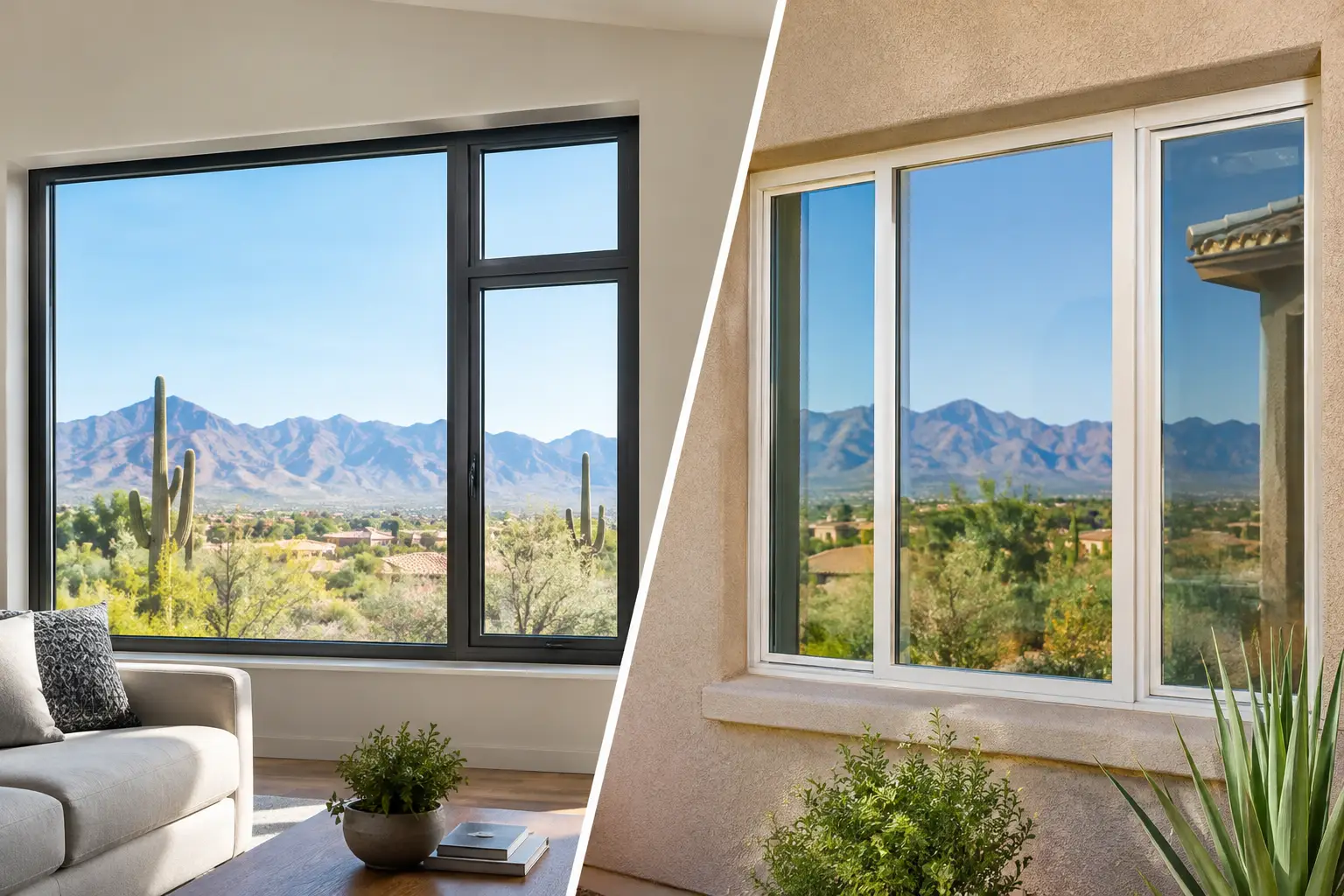
A replacement window that looks excellent in a showroom can still be the wrong fit for a sun-facing Phoenix wall, an older stucco opening, or a homeowner’s long-term plans. When weighing Milgard versus Weathershield windows, the better choice usually comes down to more than a brand name. Frame material, glass package, sightlines, opening condition, budget, and installation scope all deserve equal attention.
Both manufacturers offer respected window options, but they tend to serve different priorities. Milgard is often a strong fit for homeowners seeking practical, attractive vinyl or fiberglass replacement solutions. Weathershield can be especially appealing when architectural flexibility, premium wood-clad styling, or highly customized design is central to the project. The right decision begins with the house itself.
Milgard versus Weathershield windows: the practical difference
Milgard is widely known for replacement-friendly vinyl windows, contemporary narrow-frame options, fiberglass products, and select aluminum offerings. Its product lineup can make it easier to match common Southwestern home styles while keeping an eye on project cost. For an established home with aging aluminum windows, a well-selected Milgard vinyl or fiberglass unit may provide a noticeable improvement in comfort, operation, and curb appeal without requiring a highly customized package.
Weathershield is often considered by homeowners who want more design latitude. Its offerings can include wood-clad products and premium configurations that suit homes with distinctive architecture, larger glass areas, or a more refined interior finish requirement. A homeowner renovating a Paradise Valley property, for example, may prioritize a warm wood interior, custom exterior color, divided-light appearance, or a large-format unit that supports the home’s architectural character.
Neither approach is automatically better. A clean-lined Milgard vinyl window may be the smarter investment for a rental property, a resale-focused update, or a whole-home replacement where value matters most. A Weathershield product may earn its higher investment when the project calls for specific proportions, finishes, or materials that a standard vinyl system cannot provide.
Frame material matters in Arizona heat
The frame is not simply a visual choice. It affects thermal movement, maintenance expectations, glass area, structural capability, and how the finished window relates to the home’s exterior.
Milgard: practical vinyl and fiberglass options
Vinyl is a popular replacement choice because it is low-maintenance, cost-conscious, and available in styles that complement many Arizona homes. Quality vinyl frames do not require painting, and they can offer good insulating performance when paired with the right insulating glass package. They are particularly practical for homeowners replacing multiple windows at once.
That said, vinyl has limits. Dark exterior colors, very large openings, and intense direct sun call for careful product selection. Thermal expansion is real in desert climates, and a window should be specified for the opening size, exposure, and color choice rather than chosen on appearance alone.
Milgard fiberglass is worth considering where homeowners want a stronger frame, a more stable material, and a more premium profile than entry-level vinyl. Fiberglass can be a compelling middle ground for projects that need durability and refined appearance without moving fully into a wood-clad design.
Weathershield: design-driven wood-clad choices
Weathershield products are often selected for their architectural possibilities. Wood-clad windows can bring a finished wood appearance inside while using a protected exterior cladding system. This is valuable in living rooms, dining rooms, and primary suites where interior materials matter as much as exterior curb appeal.
Wood-clad products also require realistic expectations. They can involve a higher initial investment, and their success depends heavily on precise installation, flashing, weatherproofing, and ongoing care of any exposed finish components. They are not the default answer for every Arizona home, but they can be an excellent answer for a carefully planned modernization or a home with elevated design requirements.
Glass performance should be compared by configuration
A common mistake is comparing one brand’s advertised performance to another brand’s brochure without looking at the exact window configuration. U-factor, solar heat gain coefficient, visible transmittance, air infiltration ratings, glass coating, tint, and spacer system can all vary by series, size, operation type, and glazing package.
For Arizona homes, solar heat gain is often a major part of the conversation. West- and south-facing openings can bring heavy afternoon heat into the home, especially when older single-pane units or failed seals have left rooms uncomfortable. Low-E coatings and appropriate solar-control glass can reduce unwanted heat gain while preserving useful daylight.
More tint is not always the best solution. A heavily tinted window can reduce daylight and alter the look of interior colors. The goal is to select glass that fits the room and elevation. A shaded north-facing bedroom may need a different approach than a west-facing family room with a broad wall of glass.
Sound control may also matter near busy streets, pools, or outdoor living areas. Glass thickness and laminated-glass options can contribute to a quieter interior, but frame quality and perimeter sealing also play a meaningful role. A premium glass package cannot make up for gaps around an improperly prepared opening.
Installation is where the comparison becomes personal
The best Milgard or Weathershield window is only as capable as the opening it occupies. In many Arizona homes, replacement work involves far more than removing an old frame and setting a new unit in place. Stucco conditions, block frames, deteriorated wood, existing flashing, interior drywall, and exterior finish details can all affect the scope.
A straightforward insert replacement may preserve existing trim and limit disturbance. In other cases, a full-frame installation is the better long-term choice because it allows the installer to inspect the opening, address damaged framing, add proper vapor barriers or weather-resistant materials, and create a more dependable seal at the perimeter.
This distinction is particularly important when homeowners are changing window size, adding a new opening for natural light, or replacing a patio door system. Structural alterations require thoughtful planning, correct framing, and finish work that restores the appearance of the home. Foam, lath, tar paper, stucco repair, drywall patching, and paint-ready transitions should be treated as part of the project, not inconvenient extras discovered after installation begins.
At Greco Roman Windows and Doors, the product recommendation is tied to the construction reality of the home. A tailored installation package can account for HOA requirements, budget priorities, exterior conditions, and the level of finish restoration needed after the windows are installed.
Which brand fits your project goals?
Choose Milgard when your priorities lean toward dependable replacement performance, low-maintenance vinyl or fiberglass, clean styling, and strong value across several openings. It can be an especially sensible fit for homeowners modernizing dated windows throughout the house, preparing a property for resale, or seeking better comfort without selecting the most customized material package.
Consider Weathershield when the project has a clear architectural vision. It may be the stronger option for homeowners who want wood-clad interiors, distinctive frame details, custom sizing, or premium visual continuity with existing millwork and exterior design. It can also suit more complex renovations where the windows are a defining design feature rather than a background upgrade.
There are exceptions in both directions. A Weathershield option may be appropriate for one focal-point opening while Milgard windows handle the rest of the home. Likewise, a high-performing Milgard fiberglass window may be more than adequate for a design-forward project that does not require a wood interior. Mixing products should be done deliberately so sightlines, colors, and performance expectations remain cohesive.
Look beyond the purchase price
The lowest proposal is not always the lowest-cost project over time. A quote should clearly identify the product series, glass package, frame material, installation method, exterior waterproofing approach, stucco or drywall restoration, disposal, and warranty responsibilities. It should also address what happens if concealed conditions are found once an old unit is removed.
A well-planned project protects the investment in several ways: reduced heat transfer can ease cooling demands, secure operating hardware can improve everyday use, updated proportions can improve curb appeal, and careful finish restoration prevents a replacement from looking like an afterthought. Those outcomes depend on both the window selected and the craftsmanship used to install it.
Before choosing between Milgard and Weathershield, have the actual openings evaluated in person. The most satisfying window project is the one that respects your home’s architecture, handles Arizona’s heat intelligently, and leaves every finished edge looking like it was always meant to be there.