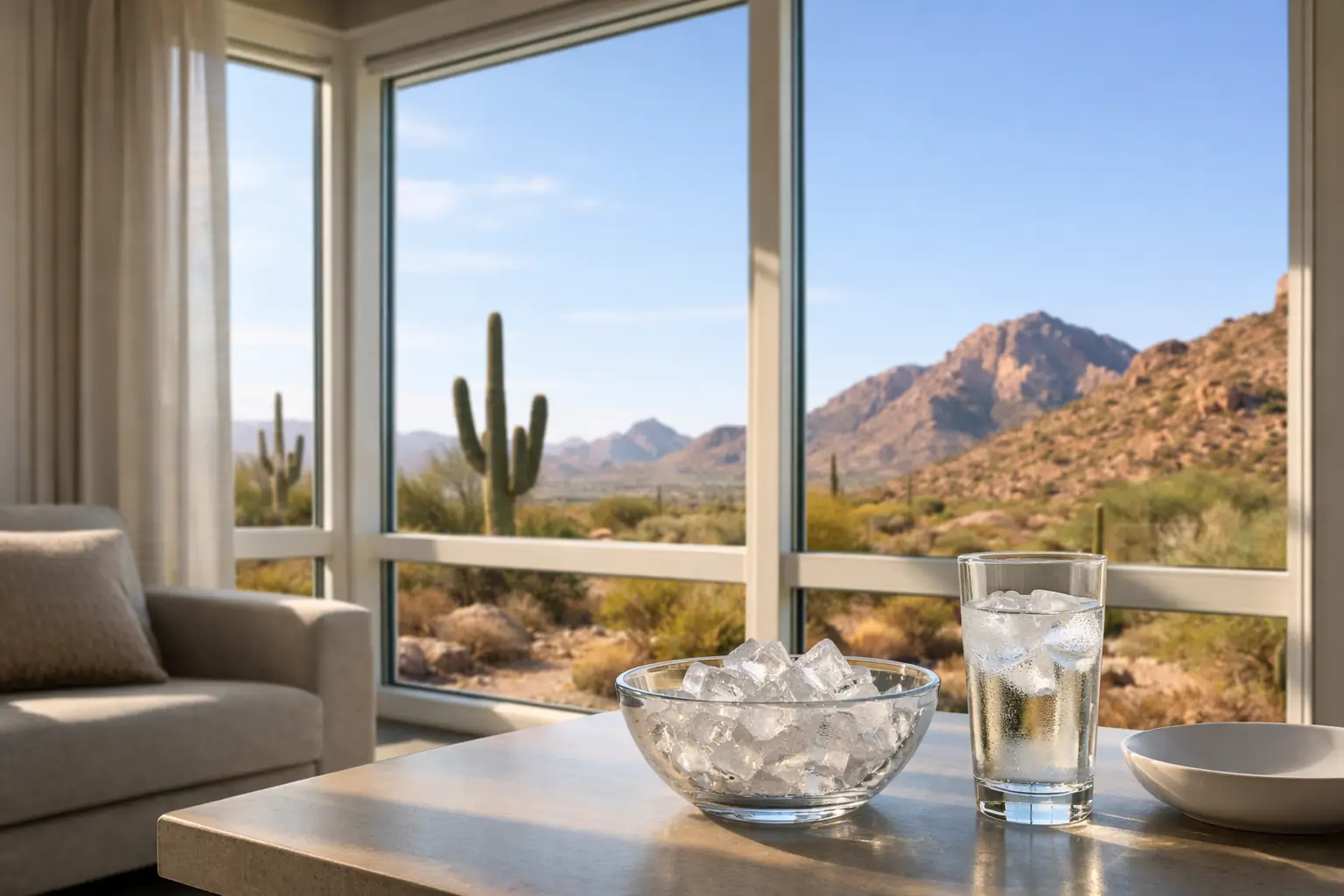
A west-facing room can feel noticeably different by late afternoon in an Arizona summer. When the existing windows allow radiant heat through the glass, leak conditioned air around the frame, or have worn seals and dated hardware, the HVAC system has to work harder to keep up. Energy efficient windows address those problems at the opening itself, helping homeowners create cooler, quieter, more comfortable rooms without sacrificing the natural light that makes a home feel open.
For a replacement project to deliver that result, the window selection and the installation need to work together. A high-performing unit placed into a compromised opening can still leave a home vulnerable to heat gain, drafts, water intrusion, and unfinished exterior details. That is especially true in established Phoenix-area homes with stucco walls, block construction, aging frames, or previous remodel work.
Why Energy Efficient Windows Matter in Arizona
Arizona homeowners do not need the same window specifications as a homeowner in a cold northern climate. Here, intense sun exposure and long cooling seasons make solar heat gain a major concern. The goal is not simply to choose the most expensive window or the thickest piece of glass. It is to select a complete system that limits unwanted heat, maintains reliable operation, and complements the architecture and orientation of the home.
A properly selected replacement window can help reduce the strain on air conditioning, improve temperature consistency near exterior walls, and make rooms with strong afternoon exposure more usable. It can also cut outside noise, improve security, and refresh a faded or dated elevation. For homeowners preparing to sell, those benefits can support a stronger first impression while giving buyers confidence that a major maintenance item has been addressed.
The savings on utility costs vary. Window condition, insulation levels, roof exposure, HVAC performance, shading, and daily thermostat habits all affect the outcome. Still, windows that no longer close tightly, have deteriorated frames, or use older single-pane construction are often a meaningful source of comfort loss in Arizona homes.
The Ratings That Deserve Your Attention
Window labels can be crowded with abbreviations, but a few measurements are particularly useful when comparing replacement options. The numbers should be considered together rather than treated as a one-size-fits-all score.
Solar Heat Gain Coefficient
Solar Heat Gain Coefficient, or SHGC, measures how much solar heat passes through a window. Lower numbers generally mean less heat enters the home, which is often beneficial for Arizona exposures, especially on south- and west-facing walls.
That does not mean every opening needs the lowest available SHGC. A heavily shaded patio opening has different needs than a large bank of west-facing windows with no exterior shade. A thoughtful consultation considers the direction each opening faces, nearby trees and overhangs, the room’s use, and how much visible light the homeowner wants to preserve.
U-Factor and Insulating Performance
U-factor measures how readily heat transfers through the window assembly. Lower numbers indicate better insulating performance. While Arizona is known for summer heat, U-factor still matters because it contributes to year-round comfort and helps reduce the effects of large temperature differences between conditioned indoor air and the exterior.
The full window rating matters more than the center of the glass alone. The frame, spacer system, weatherstripping, and sash construction all contribute to real-world performance.
Low-E Coatings and Visible Light
Low-emissivity, or Low-E, coatings are designed to manage heat transfer through the glass. In many Arizona applications, the right Low-E package helps reflect a portion of the sun’s heat while allowing useful daylight into the room. This can also help protect flooring, furnishings, artwork, and interior finishes from fading caused by prolonged sun exposure.
Visible transmittance is the companion consideration. Very low solar heat gain may come with a darker appearance, depending on the glass package. Homeowners who value bright interiors should review samples and discuss the balance between heat control, clarity, privacy, and the appearance of the exterior glass.
Frame Materials Should Fit the Home and the Opening
The frame is not merely a border around the glass. It affects durability, thermal performance, sightlines, maintenance needs, and the character of the finished project.
Vinyl replacement windows are a practical choice for many homeowners seeking dependable efficiency and value. Quality vinyl frames can provide strong thermal performance and low maintenance, making them well suited to many standard replacement projects.
Fiberglass is often chosen for its strength, stability, and refined profile options. It can be an excellent fit for homeowners looking for a premium, long-term material that performs well through Arizona temperature swings. Wood-frame windows bring warmth and architectural detail to homes where traditional design is a priority, although they require an owner who is prepared to maintain the finish appropriately.
Thermally improved aluminum can be a smart option when narrow sightlines, contemporary styling, or large openings are central to the design. Standard aluminum conducts heat readily, so thermal improvement is particularly relevant in our climate. The best material depends on the existing home, the desired appearance, the opening size, HOA requirements, budget, and whether the project includes structural alterations.
Installation Is Where Window Performance Is Protected
A replacement window can have excellent ratings on paper and still underperform if the opening is not properly prepared and sealed. This is why installation deserves the same attention as the product itself.
In older Arizona homes, removing an existing unit can reveal framing concerns, deteriorated sealing materials, uneven openings, or exterior stucco conditions that were not visible at the initial glance. Addressing those details is not an add-on to the project. It is part of protecting the new window and the surrounding wall system.
A thorough installation may involve frame corrections, insulation at the perimeter, properly applied foam, vapor barriers where appropriate, and weatherproofing that directs water away from the opening. When stucco is modified, restoring the wall can require tar paper, foam and lath, patching, texture work, and finish matching. Interior drywall and trim also deserve careful restoration so the final result looks intentional rather than pieced together.
For homes with block frames or unusually sized openings, the installation approach may differ from a straightforward insert replacement. A full-frame solution can provide the opportunity to correct underlying conditions and improve the seal around the entire unit, though it may involve more construction scope. An insert-style approach may be suitable when the existing frame is sound and preserving interior or exterior finishes is a priority. The right path depends on what the opening reveals and what the homeowner wants the project to accomplish.
Plan for More Than Lower Cooling Costs
The strongest window projects improve how a home functions as well as what it costs to operate. A bedroom near a busy street may benefit from a well-built, tightly sealed unit that reduces exterior noise. A difficult-to-reach opening may be a good candidate for a configuration that is easier to operate and clean. A dated living room can gain a more contemporary look through updated frame colors, larger glass areas, or a carefully planned new opening that brings in additional daylight.
For resale-focused homeowners, consistency matters. Replacing a few visibly failing windows can make sense, but a coordinated plan for the street-facing elevations often delivers a more polished appearance. For a long-term home, it can be worthwhile to prioritize the hottest rooms first, then phase the remaining openings as budget allows.
Greco Roman Windows and Doors helps homeowners evaluate these choices through a free in-home consultation, with installation packages tailored to the condition of the home and the scope of the work. Whether the project calls for a value-focused replacement or a more comprehensive opening modification and finish restoration, clear expectations before work begins protect the investment.
Questions to Ask Before You Choose
Before approving a window proposal, ask how the recommended glass package addresses your home’s sun exposure and whether the quoted ratings apply to the complete window. Ask what will happen if the team finds damaged framing, irregular openings, or stucco issues once the old unit is removed. You should also understand which exterior and interior finish repairs are included, how the opening will be weatherproofed, and who will remain accountable after installation.
A detailed estimate should make room for these conversations. The lowest initial price is not always the lowest-cost outcome if it excludes the prep work and restoration needed to make the installation durable and complete.
The best energy efficient windows are the ones that match your home, your exposure, and your expectations for the years ahead. Start with the rooms that feel hardest to cool or least comfortable, then schedule a free in-home consultation to see what a properly planned replacement can change.