A Phoenix home can feel the difference between single pane versus double pane windows long before the utility bill arrives. When afternoon sun bears down on aging glass, rooms near the exterior walls can become noticeably hotter, furnishings may fade faster, and the air conditioner has to work harder to maintain a comfortable setting. For many homeowners, replacement is not simply a question of newer-looking windows. It is a decision about comfort, energy use, noise, security, and how well the installation will protect the home for years to come.
Single Pane Versus Double Pane: The Core Difference
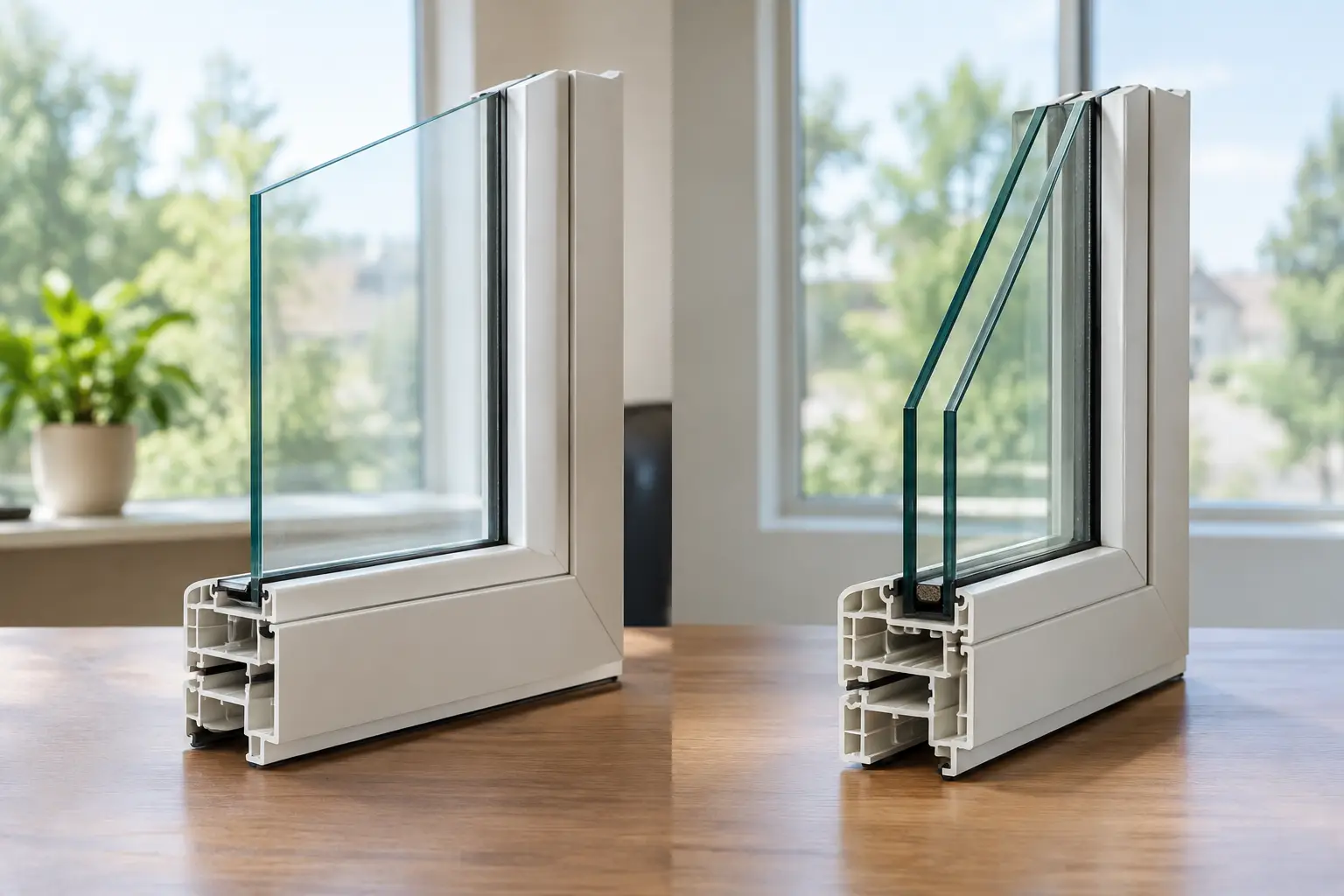
A single-pane window has one layer of glass between the home’s interior and exterior conditions. This construction was common in older Arizona homes, especially in properties built before energy performance became a major design consideration. The glass may be clear, textured, or tinted, but there is no insulating airspace between separate layers of glazing.
A double-pane window, also called an insulated glass unit, uses two panes of glass separated by a sealed spacer. That space is typically filled with air or an insulating gas. The assembly creates a more effective barrier against heat transfer than a single sheet of glass can provide on its own.
That added layer does not make every double-pane window identical. Frame material, glass coatings, spacer quality, window orientation, installation method, and air sealing all affect real-world performance. Still, the basic advantage is clear: double-pane construction gives a replacement window a stronger foundation for controlling Arizona’s intense heat.
Why Single-Pane Windows Struggle in Arizona Homes
Single-pane glass offers very little resistance to outdoor heat. On a west-facing wall, direct late-day sun can turn the glass into a source of radiant heat that homeowners can feel from several feet away. The cooling system then has to offset that heat gain, particularly in rooms with large window openings or limited shade.
Older single-pane windows can also have worn weatherstripping, loose frames, deteriorated perimeter sealant, or gaps hidden behind exterior trim. Those problems allow conditioned air to escape and dusty outside air to enter. Replacing glass alone would not address those surrounding construction concerns. The opening, frame, flashing conditions, and wall transition all deserve attention.
There are cases where a single-pane window remains in place temporarily, such as a historic home with a carefully planned preservation project or an owner preparing for a larger remodel. But for a homeowner looking for meaningful improvement in comfort and cooling efficiency, single-pane windows are usually a limiting factor.
What Double-Pane Windows Improve
The space between the two panes slows the movement of heat through the window. In a climate where cooling loads dominate for much of the year, that can help stabilize indoor temperatures and reduce the strain placed on HVAC equipment. Rooms with afternoon exposure often feel less punishing when the replacement window system is selected for that orientation.
Double-pane windows can also improve sound control. They will not erase the sound of nearby traffic, landscaping crews, or neighborhood activity, but the second pane and sealed airspace can reduce how much exterior noise reaches the interior. For homes near busy streets, this benefit is often felt as strongly as the energy improvement.
Condensation management is another consideration. While Arizona’s climate is generally dry, indoor moisture can still collect on less efficient glass during cooler periods. Better-insulated glazing helps keep the interior glass surface closer to the room temperature, reducing the conditions that contribute to condensation.
Just as important, modern double-pane options give homeowners more control over appearance. Vinyl, fiberglass, wood-frame, and thermally improved aluminum frames can be paired with styles that suit ranch homes, contemporary remodels, traditional elevations, and indoor-outdoor living spaces. A window upgrade should look intentional from the curb, not like an isolated patch in an older façade.
Glass Packages Matter as Much as Pane Count
Not every double-pane window is automatically the right choice for a desert-facing wall. Low-emissivity, or Low-E, coatings are designed to reduce heat transfer while still allowing useful daylight into the home. The specific coating should be chosen with the home’s exposure, window size, shade conditions, and design goals in mind.
For example, a large west-facing opening may benefit from a glass package designed to control solar heat gain more aggressively. A shaded north-facing room may have different priorities, such as visible light or preserving a clearer view. Homeowners should be cautious about choosing based on pane count alone, because a poorly matched glass package can leave performance on the table.
The frame matters as well. Vinyl offers practical energy performance and value for many replacement projects. Fiberglass provides strength and stability, while wood-frame windows can support a particular architectural character when properly specified. Thermally improved aluminum is often worth considering where slim sightlines or a more contemporary appearance are priorities. The best material is the one that supports the home’s design, budget, exposure, and long-term expectations.
Installation Determines Whether the Upgrade Delivers
A premium double-pane unit cannot compensate for an incomplete installation. The condition behind an old window is frequently unknown until the existing unit comes out. In established Arizona homes, installers may encounter deteriorated framing, failed building paper, cracked stucco around the opening, or previous work that did not create a reliable weather barrier.
A complete replacement approach addresses the entire opening, not just the visible window. Depending on the project, that can include frame corrections, block-frame preparation, new flashing details, vapor barriers, tar paper, foam, lath, and coordinated stucco and drywall restoration. Proper sealing around the unit helps limit air infiltration without trapping moisture where it does not belong.
This construction scope becomes especially relevant when changing an opening size, adding windows for natural light, or replacing a door system with a larger stacking or bi-fold configuration. Structural changes require careful planning so the finished result looks original to the home and performs as intended. Clean lines and fresh finish work matter, but the unseen water-management details matter just as much.
Is Double Pane Always Worth the Cost?
For most Arizona replacement projects, double-pane windows are the practical baseline rather than an unnecessary upgrade. They generally offer better comfort, energy performance, and sound reduction than single-pane units, while also supporting the expectations buyers have for a modernized home.
The exact financial case depends on the condition of the existing windows, the number of openings, local utility costs, the home’s sun exposure, and the chosen product line. A homeowner replacing a few severely inefficient west-facing windows may notice a more immediate comfort change than one replacing shaded windows with relatively tight existing frames. Energy savings are valuable, but they should not be the only measurement of return.
A well-planned replacement can also improve daily operation, security, curb appeal, and resale appeal. Windows that open smoothly, lock securely, and complement the property’s architecture add value that is difficult to place on a monthly bill. For a budget-conscious project, a carefully selected vinyl double-pane window may make the most sense. For a high-visibility remodel or a resale-focused property, upgraded frame materials, glass options, and comprehensive finish restoration may justify a broader investment.
Questions to Ask Before Choosing Replacement Windows
Start with the home’s specific problems. Are rooms overheating in the afternoon? Are exterior sounds disrupting sleep? Is the existing frame damaged, difficult to operate, or visually dated? Are you planning to retain the opening size, or would more natural light improve the space?
Then ask how the installation team will manage the conditions around the window. A clear proposal should explain the selected window type, glass performance, frame material, perimeter sealing approach, and any anticipated stucco, drywall, or framing work. If the exterior is stucco, confirm how the finished opening will be restored so the repair blends with the surrounding wall.
Greco Roman Windows and Doors approaches these decisions as a complete modernization project, with installation options tailored to straightforward replacements as well as complex opening modifications. A free in-home consultation gives homeowners the opportunity to evaluate the glass, frame, finish, and construction scope together instead of making a decision based on a showroom sample alone.
The right double-pane window is not merely a better piece of glass. It is a carefully matched system, installed with respect for the home behind the wall and the comfort of the people inside it. Schedule a free in-home consultation when you are ready to see what a properly planned replacement can do for your home.