
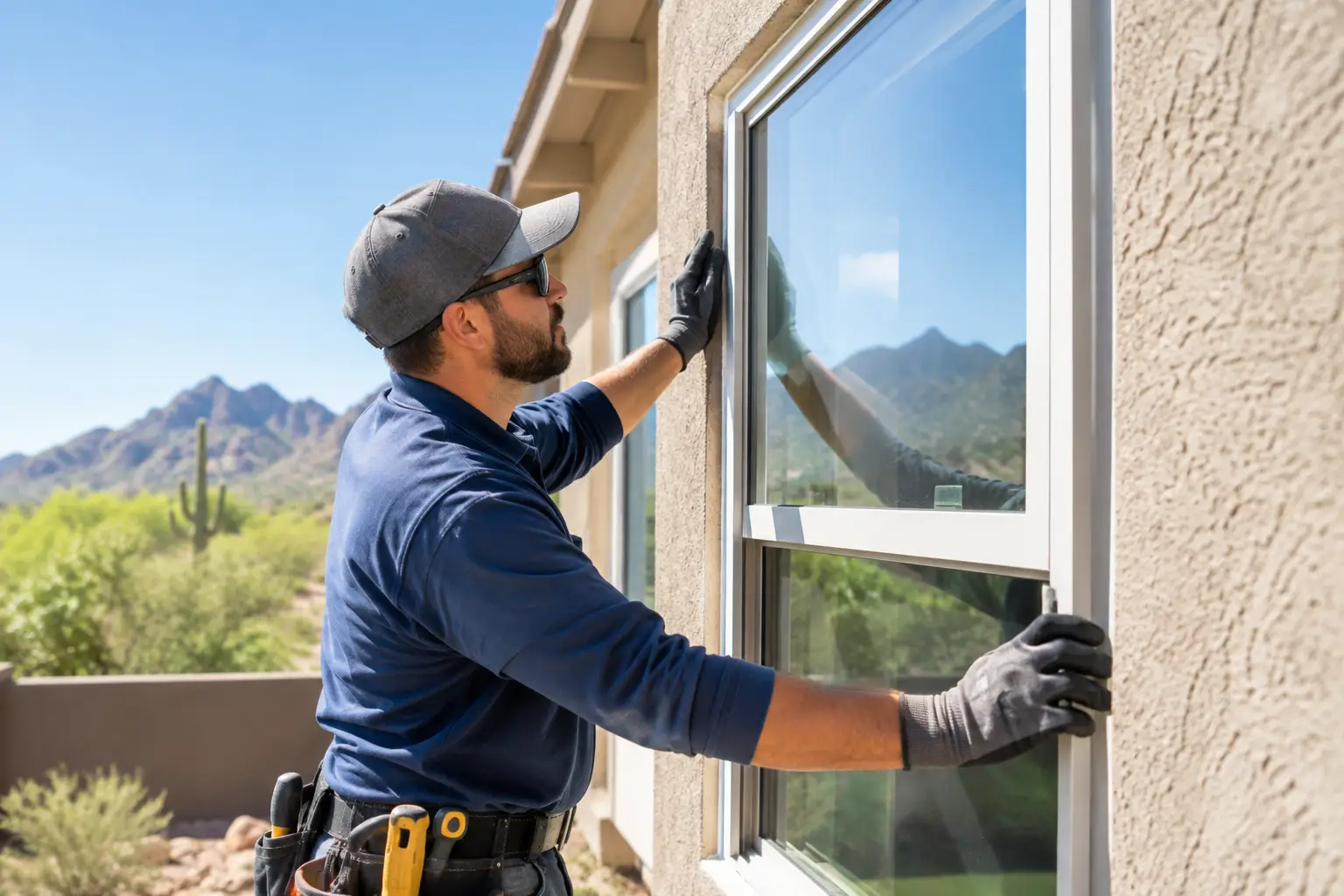
A replacement window can look excellent on installation day and still cause trouble if the opening behind it was not prepared correctly. That is why choosing experienced window installers matters as much as selecting the window itself. In Arizona, intense sun, seasonal monsoon moisture, stucco exteriors, and aging framing create conditions that demand more than a quick swap of old for new.
The right installation team protects the entire wall opening, not just the visible frame. That work can improve indoor comfort, help manage cooling expenses, reduce outside noise, strengthen security, and give the home a finished appearance that supports long-term value.
What skilled window installers actually do
Window installation is a construction process, not simply a product delivery. Before a new unit is set, the installer should assess the existing opening for damage, uneven framing, moisture exposure, and the condition of the exterior finish. Older Arizona homes may have block frames, wood framing, previous patchwork, or stucco details that require a more careful plan.
A proper scope begins with measurements, but it should not end there. The team must determine whether the existing opening can support the desired window style, whether the new unit needs a modified opening, and how the perimeter will be sealed and restored. These decisions affect how the window operates, how it handles weather, and whether the final finish looks intentional instead of patched together.
For a straightforward replacement, an existing opening may accept a properly sized retrofit unit with limited exterior work. For a larger window, a new window location, or a design that changes the shape of an opening, the project can involve structural framing, exterior waterproofing, lath, stucco work, drywall repair, and paint-ready finish restoration. The best option depends on the home, the budget, and the result you expect to see years from now.
Arizona heat makes installation details matter
Window performance is often discussed in terms of frame material and glazing options. Those choices matter, especially under Phoenix-area summer temperatures. Yet even a premium window cannot perform as intended if air and water can move around the frame.
The perimeter between the window and the wall must be managed with the right combination of shims, insulation, sealants, flashing practices, and weather-resistant materials. A conscientious installer takes care not to force the unit out of square. A frame that is slightly twisted or improperly supported may bind, leak air, or create early wear on locks and operating hardware.
Exterior conditions deserve equal attention. Stucco does not forgive careless cuts or rushed patching. Where exterior finishes are opened, the team should rebuild the weather-resistive layers in the correct sequence, using materials such as tar paper, vapor barriers, foam, and lath where the construction calls for them. The visible stucco repair matters, but the layers behind it are what help protect the wall assembly from future water intrusion.
This is especially relevant during monsoon season. Wind-driven rain can find small weaknesses around an opening. Careful weatherproofing gives moisture a controlled path away from vulnerable framing rather than trapping it where homeowners cannot see it.
Choosing the right replacement window approach
There is no single best window for every Arizona property. Vinyl can be an excellent value for homeowners seeking improved efficiency and a clean, low-maintenance appearance. Fiberglass offers strength and stability, while wood-frame windows can complement homes where architectural character is central to the project. Thermally improved aluminum may make sense for certain modern designs and large openings where slim sightlines are a priority.
The installation method should match the product and the home. A retrofit installation can be appropriate when the existing frame is in sound condition and the goal is a measured improvement with less disruption. A full-frame installation gives the team access to the complete opening and may be better when old frames are deteriorated, the exterior finish needs attention, or a homeowner wants a more thorough weatherproofing approach.
Neither route is automatically superior. Full-frame work generally involves more labor and finish restoration, which can increase the investment. But it may be the smarter choice when hidden conditions need correction. A clear in-home consultation should explain those trade-offs before work begins, rather than treating every opening as identical.
When opening modifications are worth considering
Many homeowners begin with replacement windows and discover they also want more natural light, a better view of the yard, or a stronger connection to outdoor living areas. Adding or enlarging an opening can transform a dark room, but it requires planning beyond window selection.
The team needs to evaluate framing, load paths, exterior finishes, interior repairs, and the practical effect on furniture layouts and privacy. HOA guidelines may also influence exterior colors, grille patterns, window configurations, and visible changes to the facade. A professional installer helps homeowners weigh those requirements early, before a design choice becomes an expensive revision.
Questions to ask before hiring window installers
A good estimate should make the scope understandable. Price is meaningful only when you know what it includes. If one proposal covers basic placement while another includes removal, frame corrections, weatherproofing, stucco restoration, interior repair, cleanup, and aftercare, the totals are not measuring the same service.
Ask how the crew handles existing frame conditions, what protection is used around landscaping and interior living spaces, and who performs finish repairs after the units are installed. Ask whether the company uses its own trained installation team or relies on changing subcontractors. You should also understand the schedule, permit needs when openings are altered, and how concerns are handled after completion.
It is reasonable to request product information, but workmanship questions are just as important. Look for a team that can explain why it recommends a particular material, installation approach, and level of finish work for your home. Clear answers are a sign that the contractor has considered the construction details, not merely the sales presentation.
A better experience from consultation to final cleanup
Replacement work takes place in the middle of your home, often while daily life continues around it. Professional conduct is not an extra. It includes protecting floors and furnishings, communicating the day’s work, keeping the site organized, removing debris, and leaving the property in presentable condition.
At Greco Roman Windows and Doors, this standard is reflected in installation packages designed around project complexity, budget, resale goals, and the construction realities of Arizona homes. A simpler Silver-level project may serve a homeowner replacing aging units within existing openings. Gold and Platinum scopes can provide a more comprehensive path for projects involving enhanced weatherproofing, opening changes, extensive finish restoration, or design-driven upgrades.
The point is not to sell every homeowner the largest package. It is to define the level of work needed to protect the investment. An honest recommendation should distinguish between what is necessary, what is beneficial, and what is purely optional.
The finished details reveal the quality
When a project is complete, homeowners naturally notice the new frames, cleaner lines, and improved curb appeal. The details tell the fuller story: windows that open smoothly, locks that align, consistent reveals around the frame, neatly restored drywall, exterior finishes that blend properly, and caulking applied with restraint and precision.
Those details are not cosmetic alone. They reflect accurate measurements, proper preparation, and a crew that respects the home. They also make the renovation feel complete instead of leaving homeowners with a list of loose ends after the installation team departs.
If your current windows are difficult to operate, visibly dated, inefficient, or no longer suited to how you use your home, schedule a free in-home consultation before making a product decision. A careful evaluation of the openings, finishes, and goals for the property will help you choose work that looks right, performs well, and remains worthy of your home for years to come.