
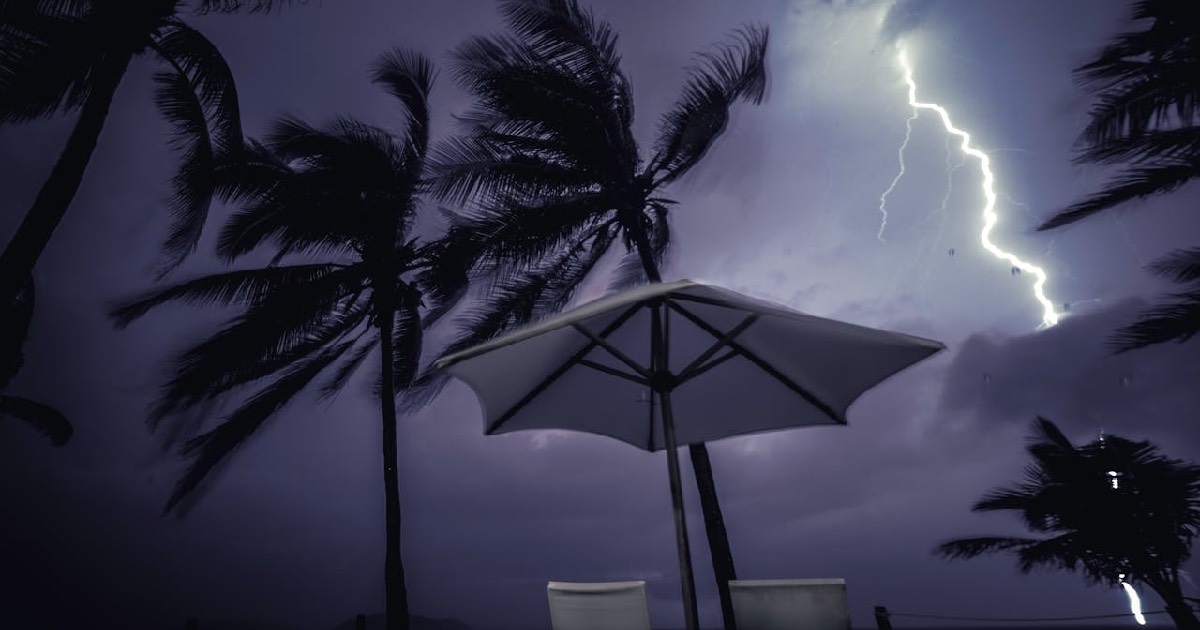
Arizona homeowners know that living in the desert doesn’t mean escaping extreme weather—it means learning to navigate two very different forces: relentless heat and intense monsoon rains. While both can create beautiful, dramatic landscapes, they also put your home’s exterior to the test, especially your windows.
Windows are more than just design features; they’re critical barriers that protect your home from the elements. In Arizona’s unique climate, those elements come from two extremes—scorching summer temperatures and sudden downpours—both of which can silently compromise window performance over time. This is why reputable manufacturers like Milgard offer energy efficient windows that feature dual or triple glazing to better insulate windows. Still, it’s important to understand how rain and heat affect your windows and what you can do to protect them.
Let’s take a closer look at how these two forces affect your windows, why leaks happen, and what you can do to protect your home.
Desert Heat: A Slow and Steady Stressor
Arizona summers are intense. Daytime highs often exceed 100°F for weeks at a time, and surfaces like stucco and window frames can become even hotter. This kind of prolonged heat exposure affects your windows in several ways:
Thermal Expansion and Contraction
Materials expand when heated and contract when cooled. Over time, this daily cycle causes window frames and seals to shift slightly. Even small movements can lead to gaps around the edges of the frame, which eventually allow air and water to pass through. In older windows, the repeated stress can cause permanent warping or cracked caulking.
UV Damage to Seals and Frames
The desert sun is relentless. UV rays break down materials like rubber and vinyl, causing weatherstripping and sealants to dry out, crack, or peel away. Once these protective barriers deteriorate, your windows lose their ability to keep out moisture and hot air, making leaks during monsoon season far more likely.
Energy Efficiency Loss
Leaky or damaged seals let conditioned air escape and hot outdoor air enter, forcing your HVAC system to work overtime. This can drive up your energy bills and create uncomfortable indoor temperature swings, especially near the windows themselves.
Monsoon Rains: The Sudden Impact
While the heat wears windows down gradually, monsoon storms can overwhelm them in a single afternoon. From June through September, powerful storms can sweep across Arizona with heavy rainfall, gusty winds, and sometimes hail.
Wind-Driven Rain
Unlike gentle showers, monsoon rain often arrives horizontally, pushed by strong gusts. If your windows have even the smallest gaps from heat-related damage, wind-driven rain can force water through, leading to leaks on sills, frames, or interior walls.
Drainage Systems Put to the Test
Modern windows include weep holes and drainage channels designed to manage incidental moisture. During monsoons, these systems face their biggest challenge. If they’re clogged with dust or debris—common in Arizona—they can back up, allowing water to pool and seep inside.
Sudden Pressure Changes
Rapid pressure shifts during storms can create suction that pulls on weakened seals or pushes water into spots that would otherwise stay dry. For homes with older or poorly installed windows, this can result in unexpected interior water damage.
Why the Combination Is So Damaging
Each force, heat and rain, poses a risk on its own. But together, they create the perfect storm for window leaks. This is the case because heat weakens the structure, causing frames to expand and seals to degrade. Rain then comes and exploits those weaknesses, with water finding its way inside the home. Additionally, these cycles can repeat year after year, making small problems grow bigger over time.
In many Arizona homes, leaks don’t appear suddenly. Instead, they start as subtle issues, such as slight drafts, peeling paint around sills, and condensation between panes, and gradually progress to water stains, interior wall damage, or even mold growth.
Protecting Your Windows from Both Threats
Fortunately, there are practical steps homeowners can take to safeguard their windows from this double threat.
Regular Inspections
Inspect your windows twice a year—once before summer heat ramps up and once before monsoon season begins. Look for cracked caulking, peeling weatherstripping, or any warping in the frames.
Clean Weep Holes and Tracks
Dust storms and desert winds can clog drainage systems. Use a soft brush or compressed air to clear weep holes and window tracks so water can flow out as intended during heavy rains.
Reseal When Needed
Replacing cracked or brittle caulking and weatherstripping can dramatically improve your windows’ ability to withstand both heat and moisture. Quality sealants designed for desert climates last longer and provide better protection.
Consider Energy-Efficient Replacements
If your windows are older, upgrading to modern, energy-efficient models can offer significant benefits. Today’s windows are designed to resist UV damage, reduce thermal expansion, and improve water resistance, all while helping lower your utility bills.
Professional Help Matters
Some maintenance tasks are DIY-friendly, but others, like assessing structural integrity, installing new flashing, or replacing windows, are best left to professionals. At Greco Roman Windows and Doors, we understand Arizona’s unique climate challenges. Our team uses high-quality materials and expert installation techniques to ensure your windows can handle both the desert sun and monsoon rains with ease.
Build Resilience Before the Storms Hit
Your windows are your home’s first line of defense against Arizona’s extreme weather. By understanding how desert heat and monsoon rains work together to compromise them, you can take proactive steps to maintain their integrity. A little attention now can prevent costly repairs and keep your home cool, dry, and comfortable year-round.
Ready to weatherproof your windows? Contact Greco Roman Windows and Doors today at 480-504-5400 to schedule an inspection or learn more about our durable, leak-resistant window solutions built for Arizona living.